Begin with the shopper’s stated constraints
Useful product discovery starts with the customer’s wording: category, use case, size, color, budget, compatibility, ingredients, delivery need, or another declared constraint. Ask a follow-up question when the request is too broad.
Match only against current product facts
Use connected titles, descriptions, collections, tags, variants, options, prices, inventory signals, and merchant rules. Do not invent fit, compatibility, suitability, or availability that the data does not establish.
Show why each suggested product matches
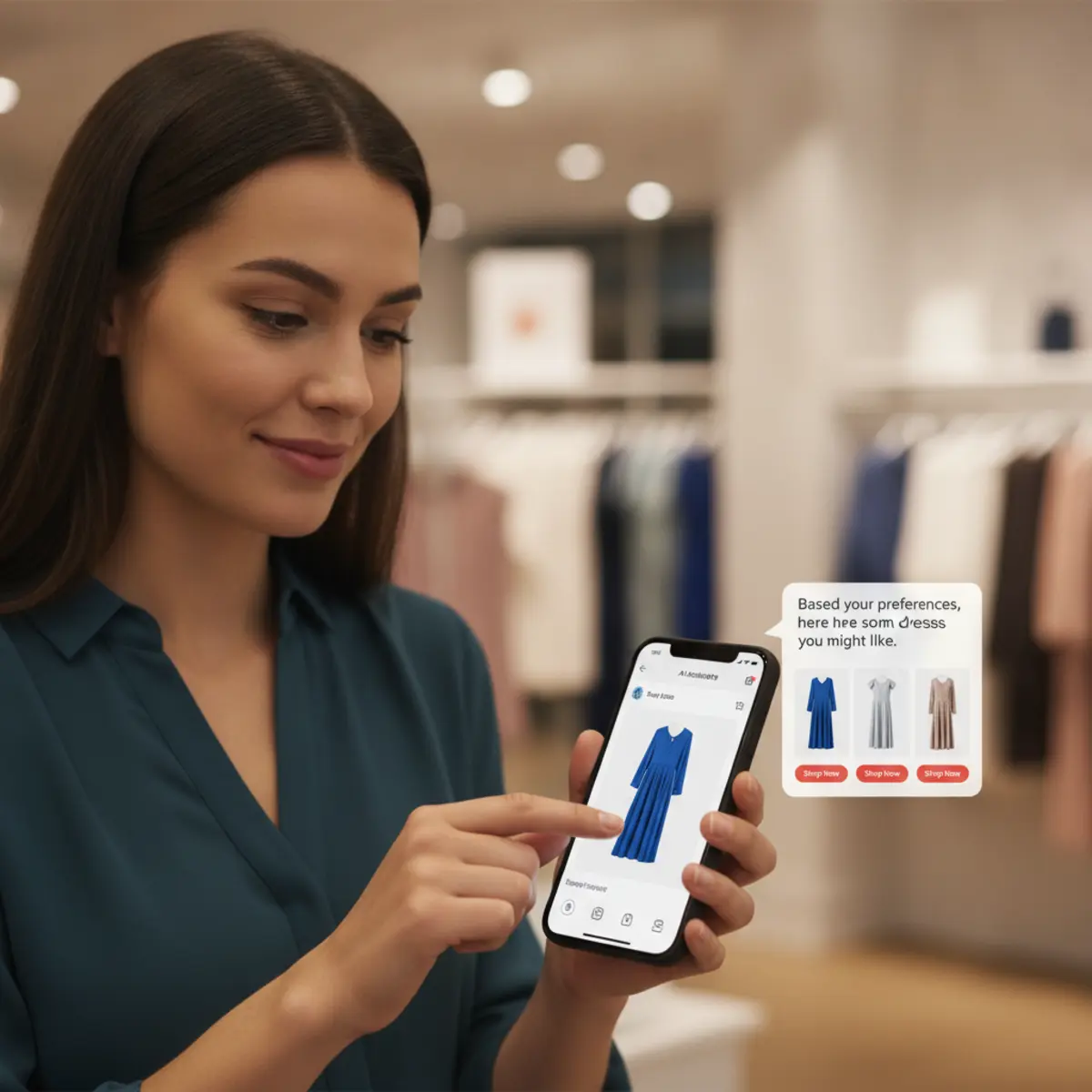
A useful shortlist explains the relevant attribute and links to the real product page. If no item satisfies the stated requirements, say so or offer a clearly labelled alternative.
Evaluate discovery without promising sales growth
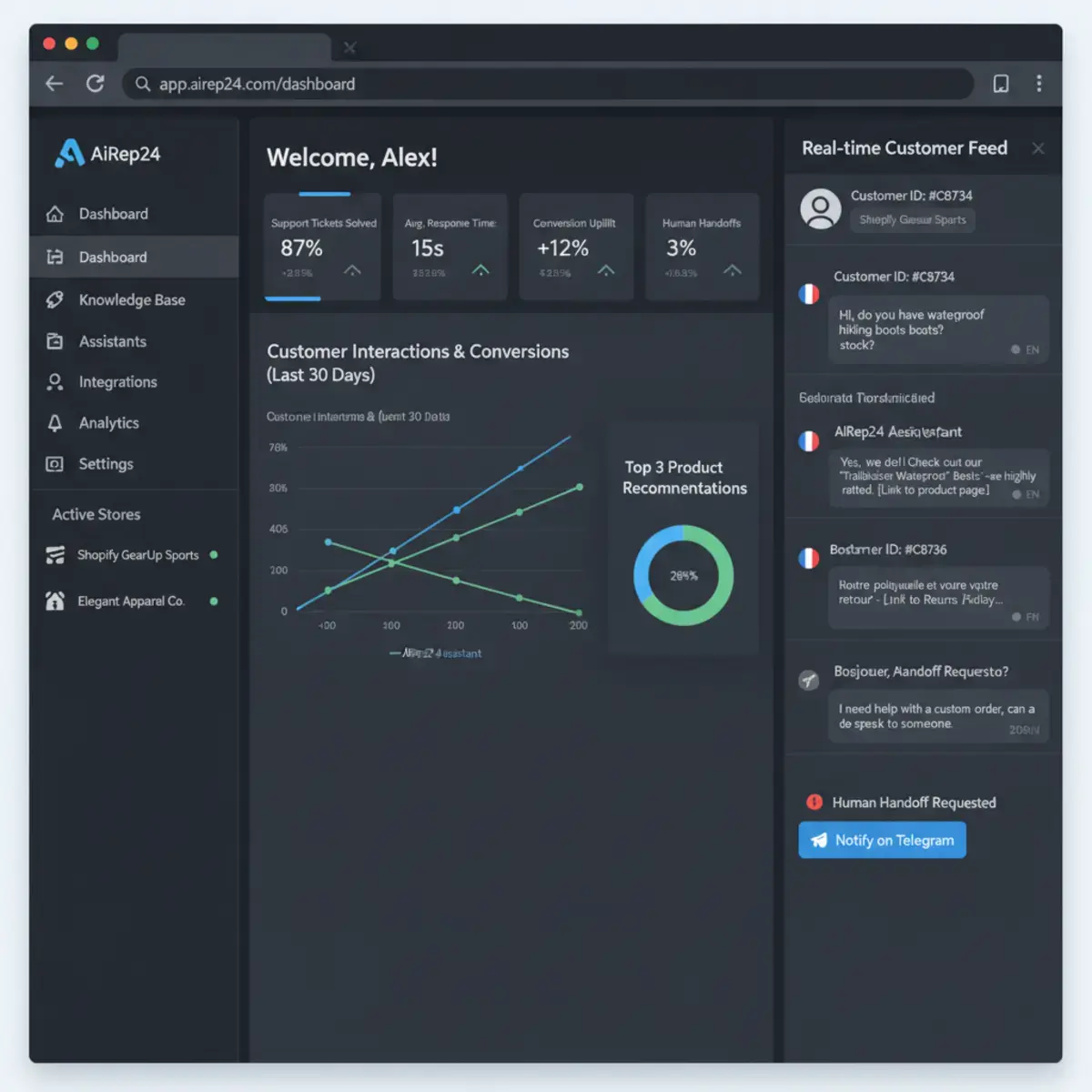
Track clarified requests, usable shortlists, product-link clicks, unresolved constraints, and operator handoffs. Sales outcomes depend on traffic, assortment, pricing, merchandising, and the rest of the purchase journey.